Leave Your Message
You know, as industries are constantly changing and evolving, there’s a huge uptick in the demand for innovative materials like Chemical Tempering Glass. It’s kind of impressive because this stuff is strong and super versatile across a bunch of different applications. A report from Research and Markets even suggests that the global glass tempering market could hit over 60 billion dollars by 2026! And guess what? Chemical Tempering Glass is going to be a big player in that growth.
Now, if we look at Dongguan Fuxin Glass Technology Co., Ltd., they've been riding this wave for over ten years, focusing on advanced glass solutions. They’ve made some pretty big progress in the display glass arena, diving deep into research and development for all sorts of glass types including AG, AR, AF, and AM glass. With their knack for tapping into the unique properties of Chemical Tempering Glass, Fuxin Glass isn’t just keeping up with market demands; they’re actually setting the stage for future innovations in a ton of industries. In this blog, we're going to dig into the exciting applications of Chemical Tempering Glass and how it’s changing the game for design and functionality in modern manufacturing.
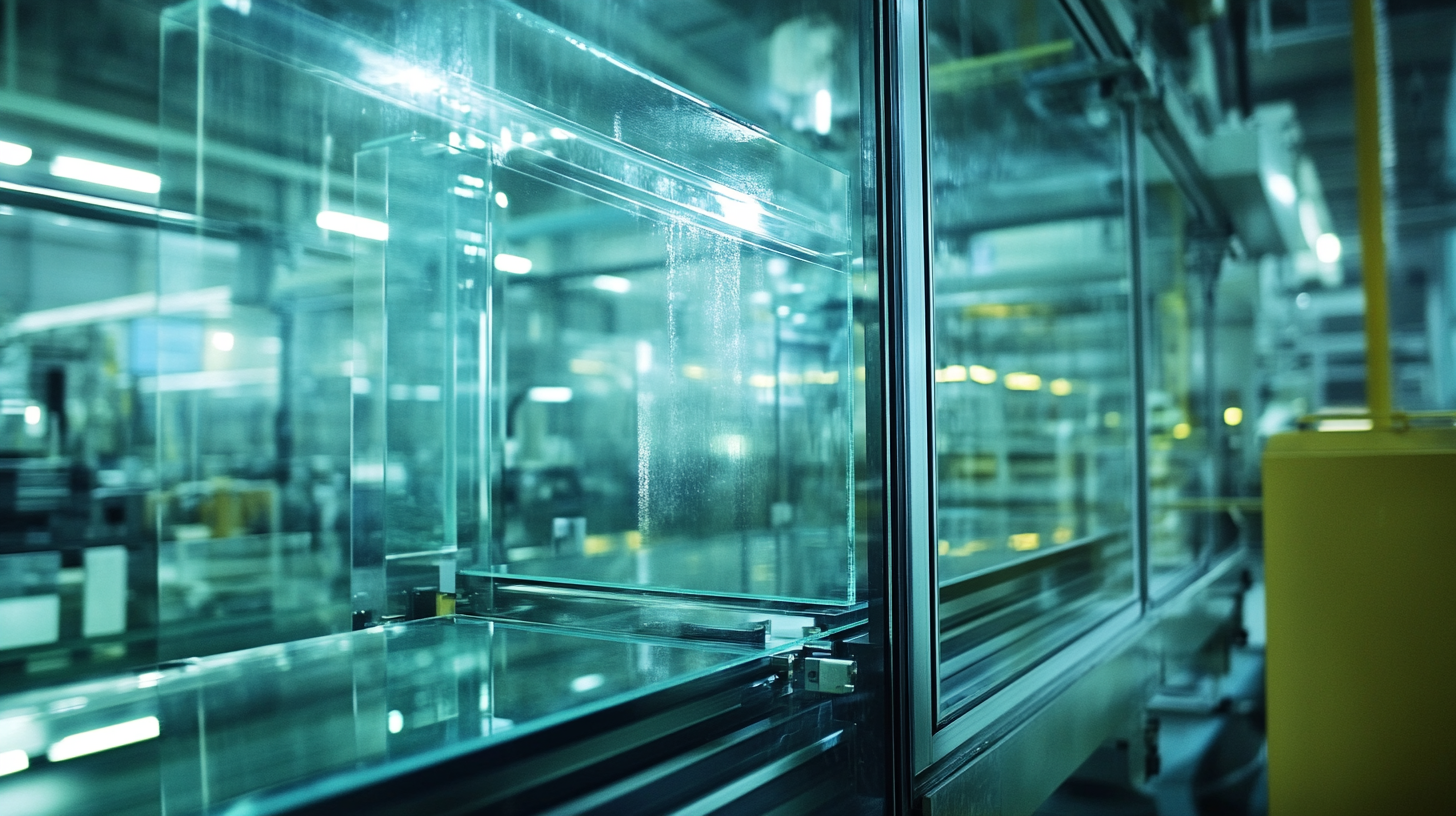
You know, chemical tempered glass is really shaking things up in modern architecture. It’s this perfect mix of looking awesome and being super safe. Basically, what this innovative glass treatment does is boost the strength of the material, so it can handle impacts, thermal changes, and all sorts of environmental hiccups. Architects these days are all about those next-level designs that break the mold, and using chemical tempered glass lets them create huge walls of glass in facades, skylights, and partitions, making spaces that are just breathtaking.
But it’s not just about the looks and safety! This type of glass is also playing a big role in making buildings more sustainable. It’s great for energy efficiency, providing top-notch insulation that cuts down on the need for heating and cooling. So, not only does it help save on energy bills, but it also reduces the carbon footprint of buildings, which is super important for today’s green architecture scene. Plus, the stuff is so versatile! Architects can play around with different thicknesses, textures, and colors—allowing them to let in natural light while also keeping things private and secure. All in all, chemical tempered glass is really changing the game in how we think about and experience spaces, cementing its role as a key player in modern architectural innovation.
You know, tempered glass has really become a game-changer in the automotive world. It's not just about looks anymore; it seriously boosts safety standards for vehicles while tackling some tricky challenges in both manufacturing and recycling. With tech moving so fast, there’s this growing demand for high-performance glass in cars. It's pretty wild to think that the global market for automotive glass is set to explode, especially with more folks focusing on safety, energy efficiency, and how clear their view is. People are really valuing these features, and you can see manufacturers stepping up their game by using tempered glass in everything from windows to sunroofs.
And get this – the introduction of AI and automation in things like windshield diagnostics and repairs is shaking things up in how we use automotive glass. This tech boom is making it way easier to check if the glass is still good, which means safety standards are being met more reliably. Recycling high-tech automotive glass is really picking up steam too, as recyclers discover new ways to give this material a second life. It’s all about being sustainable these days. And let’s not forget, tempered glass is tough—it can handle impact and breakage without losing visibility. That’s a big deal for keeping everyone safe and comfy on the road!
| Application Area | Description | Safety Feature | Industry Impact |
|---|---|---|---|
| Windshield | Offers improved safety and visibility. | Shatter-resistant | Enhances driver and passenger safety. |
| Side Windows | Allows for better vehicle aerodynamics. | Strengthened against impact | Increases structural integrity of the vehicle. |
| Sunroofs | Provides an open-air feeling with protection. | UV protective | Enhances user comfort and vehicle aesthetics. |
| Back Mirrors | Enhances rear visibility for safer driving. | Impact-resistant | Reduces risk of accidents. |
Lately, chemical tempering glass has really shaken things up in the world of interior design. It's amazing how this cool glass treatment brings together style and safety. Honestly, it makes glass way tougher, which is why people are loving it for all sorts of things—from stylish partition walls to eye-catching decor pieces. Designers seem to be all about it nowadays, not just because it's strong but also for the fantastic visual effects it can create to really amp up a space’s vibe.
What’s really great about chemical tempering glass is its adaptability. Designers can have so much fun playing around with different shapes, sizes, and finishes. Imagine big, gorgeous windows that flood the space with natural light, sleek glass railings that look super elegant, or even funky room dividers—this polished glass just fits right in with almost any style out there. Oh, and it's tough as nails too! It handles temperature swings and mechanical stress like a champ, so it works perfectly for places like kitchens and bathrooms without sacrificing safety or style.
And it’s not just about being practical; chemical tempering glass opens the door to a ton of design options. You could go for textured or colored glass to really bring some personality and depth into a room, which is why it's become a go-to for many contemporary designers. By weaving chemical tempered glass into their creations, designers can whip up spaces that are not just visually stunning but also super durable, proving that you really can have both innovation and beauty in harmony.
You know, chemical tempering glass is really a game changer. Not only does it make glass way stronger and more durable, but it also plays a big part in helping the environment in all sorts of industries. So, here’s the deal: the whole process involves treating glass with some hot molten salts. Sounds fancy, right? But basically, it creates a tougher surface that cuts down on breakage and makes glass products last a lot longer. And who doesn’t want that? When things last longer, it means we’re tossing less stuff out and using fewer resources to make new products.
Plus, as more companies are hopping on the sustainability bandwagon, using chemical tempering in glass production is a really promising way to shrink that environmental footprint. There are all these cool innovations happening in glass manufacturing—like recycling old glass and using green energy sources such as oxy-fuel burners. These are super crucial for slashing energy use and emissions. With the growing buzz around automotive and architectural applications, using chemically tempered glass can really help reduce harm to the environment while still keeping all the safety and performance standards in check for structural glass systems. It’s pretty exciting because by doing this, the glass industry can thrive financially and also lead the charge in sustainable manufacturing. How awesome is that?
You know, chemical tempering glass is really shaking things up in the electronics world these days! It’s not just about looking good; it’s all about enhanced durability and performance for a bunch of different uses. According to a recent report from MarketsandMarkets, they predict that the global market for chemically tempered glass is gonna hit around USD 72.3 billion by 2025. That’s a growth rate of about 6.7% since 2020! And what’s driving this surge? Well, it’s mostly due to the rising demand for lightweight yet super tough components in stuff like consumer electronics, automotive displays, and those protective screens on our smart devices.
One of the coolest things about chemical tempering is how it makes glass tough enough to handle more stress without, you know, shattering into a million pieces. The whole process is neat—it involves dunking glass into a potassium salt bath, which toughens it up from the inside out. That means it can resist impacts and thermal stress like a champ. Industry insiders are saying that this chemically tempered glass can be up to five times stronger than regular glass, which is pretty impressive. It’s an awesome option for high-performance needs, like smartphone screens and tablet displays.
Plus, using chemically tempered glass not only extends the life of these products but also allows manufacturers to whip up slimmer, sleeker designs without sacrificing safety or performance. As the tech world keeps evolving, you can bet this cutting-edge glass tech is going to change the game, setting new benchmarks for durability and style in electronic gadgets.
You know, in the last few years, the creative use of chemical tempered glass has really taken off. It’s not just for your average applications anymore; it’s carving out a space in the world of art and decor, and it's pretty exciting! For instance, this type of glass is popping up in high-end installations and exhibitions, where it not only looks great but also stands strong. According to a report from Smithers, the global market for decorative glass is set to see some serious growth—mostly because there's a rising demand from artists and architects alike. The cool thing about chemical tempered glass is its versatility. It lets artists and designers play around with translucency, color, and texture, resulting in some absolutely stunning pieces that really grab your attention.
Take events like the "雷圭元设计文献展" in Shenzhen, for example—designers are showing off how tempered glass can be a fantastic medium for artistic expression. You see this blend of glass with traditional art forms like Chinese calligraphy, which really illustrates a cool trend where different materials come together to spark a conversation between the new and the old. And as cities like Beijing light up with vibrant decorations for the Lunar New Year, the role of decorative glass stands out even more. Not only does it make festive spaces more enchanting, but it also helps people appreciate the artistry in urban designs. So, yeah, the mix of functionality and creativity is definitely paving the way for a new chapter in art where tempered glass plays a huge part in transforming how we experience spaces and our surroundings.
: Chemical tempering glass is a process that treats glass with molten salts to create a stronger surface, enhancing its strength, durability, and resistance to breakage.
Chemical tempered glass decreases the risk of breakage and extends the lifespan of glass products, leading to less frequent replacements, reduced waste, and lower resource consumption in manufacturing.
The integration of chemical tempering into glass production helps reduce the environmental footprint by promoting longer-lasting products, recycling used glass, and utilizing alternative energy sources, thus decreasing energy consumption and emissions.
Chemical tempering glass is increasingly used in art and decor, providing both aesthetic value and structural integrity for high-end installations and exhibitions.
Artists and designers are using chemically tempered glass to experiment with translucency, color, and texture, creating striking art pieces that merge contemporary design with traditional art forms like Chinese calligraphy.
The decorative glass market is expected to grow significantly, driven by demand from the architectural and artistic sectors, as chemical tempered glass is utilized in innovative designs and applications.
During festivals like the Lunar New Year, decorative tempered glass enhances urban landscapes, adding vibrant visual appeal and fostering appreciation for artistry in urban designs.
Chemically tempered glass plays a critical role in maintaining performance and safety standards in structural glass systems, making it valuable for both automotive and architectural applications.