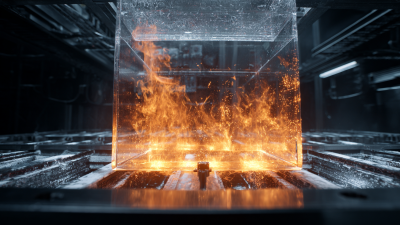
You know, in the world of industry these days, there’s a pretty constant need for materials that can handle some serious conditions. One cool example is high-temperature resistant glass — it’s specially designed to take the heat without losing its shape or strength. Seriously, this stuff is a game-changer in fields like manufacturing, aerospace, and energy, where regular glass would just give up under pressure.
What’s awesome about this glass is that it not only handles high temps really well, but it’s also pretty tough against thermal shocks, chemicals, and mechanical stress. As industries push to be more efficient and safer, using this kind of versatile material can really make a difference, helping to boost performance and cut down on downtime. In this article, we’re gonna look at the top 10 perks of high-temperature resistant glass — how it’s helping meet the tough demands of modern industry. From making products last longer to keeping things running smoothly, this innovative glass is really changing the game in industrial applications.
Understanding High Temperature Resistant Glass: Definition and Properties
High temperature resistant glass is a specialized material designed to maintain its structural integrity and functionality under extreme thermal conditions. This type of glass is capable of withstanding temperatures exceeding 500 degrees Celsius without deforming or breaking, making it an ideal choice for a variety of industrial applications. The key properties that define high temperature resistant glass include its high thermal shock resistance, low thermal expansion coefficient, and significant durability against chemical and mechanical stress.
In industrial settings, the ability to operate in high-heat environments is critical. High temperature resistant glass does not easily shatter when exposed to sudden temperature changes, which is essential for processes requiring rapid heating or cooling. Additionally, its low thermal expansion helps to prevent cracking and other forms of failure, ensuring that equipment remains reliable over time.
These properties are beneficial in industries such as aerospace, manufacturing, and energy, where maintaining precision and safety is paramount under harsh conditions.
Applications in Various Industrial Sectors: A Breakdown
High-temperature resistant glass has found its niche across various industrial sectors, thanks to its unique properties that enable it to withstand extreme conditions. In the automotive industry, this type of glass is crucial for components such as headlights and body panels, where it ensures durability and clarity even under high thermal stress. Its ability to maintain structural integrity while being exposed to fluctuating temperatures makes it a reliable choice for manufacturers looking to enhance vehicle performance and safety.
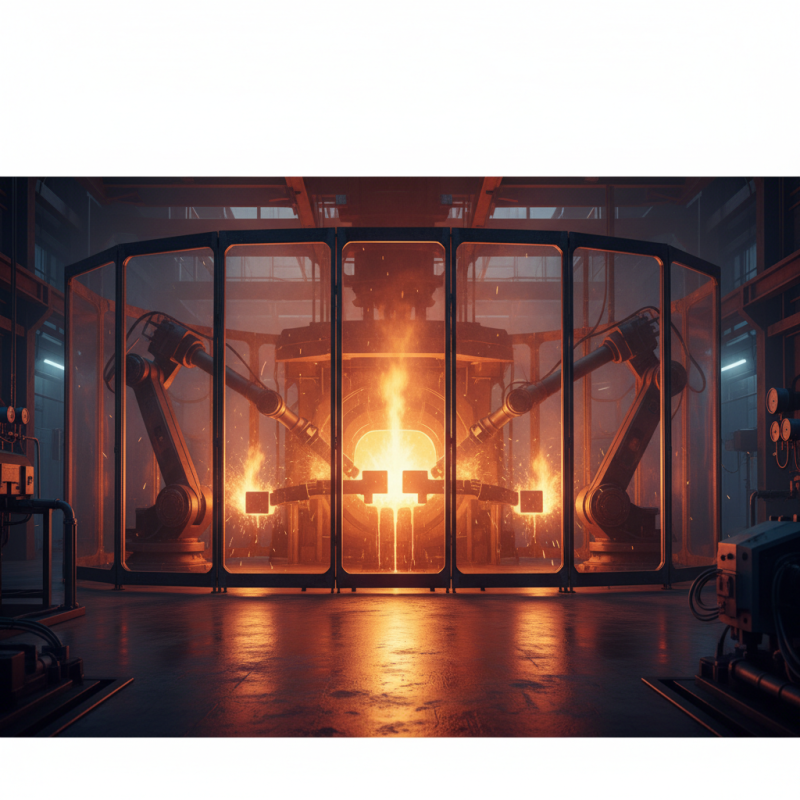
In the energy sector, high-temperature resistant glass is used in solar energy applications, particularly in photovoltaic cells and thermal collectors. This glass facilitates optimal energy capture and conversion while resisting thermal expansion and contraction that can lead to material fatigue. Additionally, in manufacturing processes that involve high heat, such as glassmaking and metal refining, this specialized glass protects workers and equipment, contributing to a safer and more efficient working environment. These applications highlight the versatility and importance of high-temperature resistant glass in modern industrial operations, showcasing its indispensable role across diverse fields.
Top 10 Benefits of High Temperature Resistant Glass for Industrial Applications
Safety and Durability: How High Temp Glass Outperforms Alternatives
High temperature resistant glass is rapidly becoming indispensable in various industrial applications due to its unparalleled safety and durability. Unlike traditional glass, which can shatter under extreme thermal stress, high temp glass is engineered to withstand significant fluctuations in temperature without compromising its structural integrity. This advanced capability ensures that it remains intact in high-pressure environments, minimizing the risk of accidents and potential injuries in workplaces where safety is paramount.
Moreover, its versatility in design allows for innovative applications across industries, from manufacturing to aerospace. High temperature resistant glass not only excels in resilience but also offers excellent optical clarity, making it ideal for inspection windows and viewing ports in high-heat settings. Furthermore, its resistance to chemical corrosion enhances its lifespan and reliability, reducing the need for frequent replacements. This durability not only translates to increased productivity but also drives down operational costs, making high temp glass a wise investment for industries seeking long-term solutions to their thermal management challenges.
Cost-Effectiveness: Assessing Long-Term Benefits for Industry
High temperature resistant glass has gained significant traction in industrial applications due to its remarkable durability and versatility. From industrial furnaces to aerospace components, this specialty glass can withstand extreme conditions that ordinary glass cannot. According to a report by the Industrial Glass Association, the use of high temperature resistant glass has been shown to reduce operational costs by up to 20% over a five-year period due to fewer replacements and lower maintenance expenses. This cost-effectiveness is particularly prominent in industries where equipment failure can lead to substantial downtime and financial losses.
One of the pivotal long-term benefits of implementing high temperature resistant glass is its ability to enhance safety measures in high-risk environments. The American Society for Testing and Materials (ASTM) reports that facilities using such advanced glass technologies see a 30% decrease in accidents related to material breakage. This not only translates to reduced liability costs but also fosters a safer working environment, which is invaluable for any industrial operation.
Tips: When considering upgrading to high temperature resistant glass, evaluate the specific temperature tolerance requirements of your applications. Additionally, investing in expert consultations can lead to tailored solutions that maximize the benefits of this material. Lastly, keep in mind that while the initial investment may be higher, the long-term savings and safety improvements often justify the expenditure.
Thermal Shock Resistance: Importance in Industrial Settings
Thermal shock resistance is a critical property for high temperature resistant glass utilized in industrial applications. This characteristic enables the material to withstand rapid temperature fluctuations without fracturing or deforming. According to a report by the International Journal of Thermal Sciences, materials subjected to sudden changes in temperature can experience significant stress, leading to micro-cracking and eventual failure if not properly designed. High temperature resistant glass can safely endure temperature differences exceeding 300°C, making it ideal for processes involving extreme thermal cycling.
In industrial settings such as petrochemical facilities and glass manufacturing plants, thermal shock resistance is essential for maintaining equipment integrity and operational efficiency. A study published by the Journal of Applied Glass Science highlighted that utilizing high temperature resistant glass can reduce downtime caused by equipment failures by up to 30%. This not only translates to significant cost savings but also enhances safety by minimizing the risk of catastrophic failures. As industries continue to push the boundaries of process temperatures, the role of advanced thermal shock resistant materials becomes increasingly vital in ensuring sustained performance and reliability.
Enhanced Energy Efficiency: Impact on Operational Costs
High temperature resistant glass is becoming an essential material in various industrial applications, primarily due to its notable energy efficiency advantages. By effectively withstanding elevated temperatures, this type of glass reduces the energy loss typically associated with conventional materials. This enhancement in thermal performance leads to lower heating and cooling demands, thereby significantly decreasing operational costs. Industries utilizing this glass can expect a minimized need for energy consumption and improved overall productivity.
Tips for maximizing energy efficiency with high temperature resistant glass include ensuring proper installation to eliminate gaps that could lead to thermal bridging. Regular maintenance checks can also help identify potential issues before they escalate, maintaining the glass’s energy efficiency. Additionally, consider using this glass in areas that require thermal management, such as kiln operations or furnaces, where its insulation properties can further reduce energy wastage.
Furthermore, integrating high temperature resistant glass into energy-intensive processes can lead to long-term sustainability benefits. By lowering energy bills, industries not only enhance their profit margins but also contribute to environmental conservation through reduced carbon footprints. Utilizing such innovative materials aligns operational goals with eco-friendly practices, paving the way for a more sustainable future in industrial applications.
Top 10 Benefits of High Temperature Resistant Glass for Industrial Applications - Enhanced Energy Efficiency: Impact on Operational Costs
| Benefit |
Description |
Estimated Impact on Operational Costs (%) |
| Increased Durability |
Long-lasting material reduces replacement frequency. |
15% |
| Reduced Energy Consumption |
Insulating properties lower heating and cooling expenses. |
20% |
| Improved Safety |
Shatter-resistant design enhances workplace safety. |
10% |
| Enhanced Aesthetic Appeal |
Modern look improves brand image and customer perception. |
5% |
| Reduced Maintenance Costs |
Lower frequency of repairs and maintenance activity. |
12% |
| Versatile Applications |
Usable across a range of industries and environments. |
8% |
| Resistance to Chemical Damage |
Can withstand harsh industrial chemicals, extending life. |
10% |
| Environmental Resistance |
Holds up well in extreme temperatures and weather. |
9% |
| Facilitates Innovation |
Allows for new designs and applications in products. |
7% |
| Regulatory Compliance |
Meets strict industry standards for safety and quality. |
6% |
Future Trends: Innovations in High Temperature Resistant Glass Technology
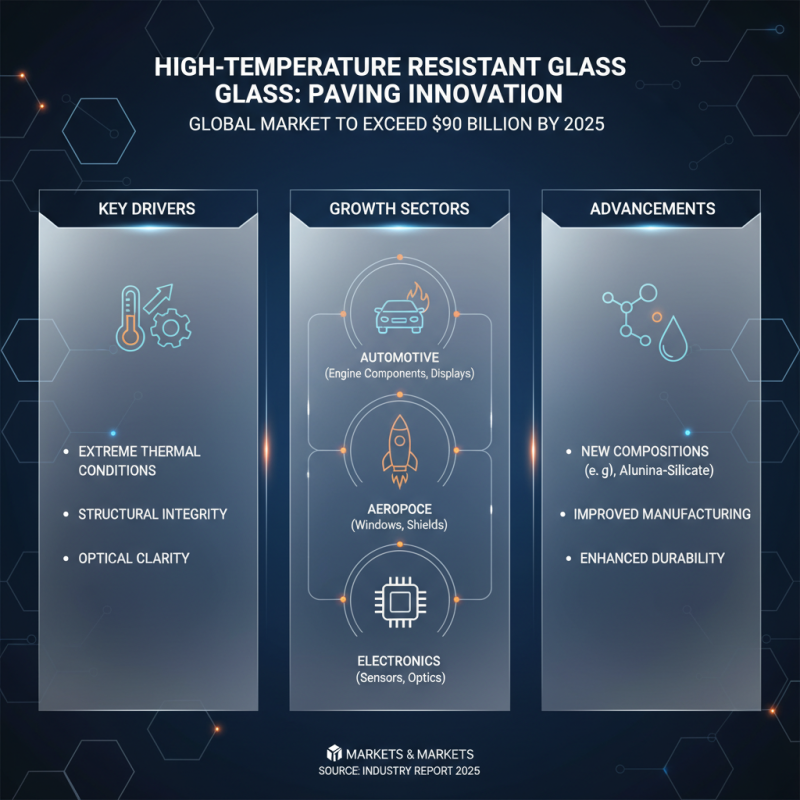
Recent advancements in high temperature resistant glass technology are paving the way for innovative industrial applications. According to a report by Markets and Markets, the global market for high-performance glass is expected to reach over $90 billion by 2025, with a significant portion attributed to the increasing demand for high temperature resistant glass in sectors such as automotive, aerospace, and electronics. This growth is driven by the need for materials that can withstand extreme thermal conditions while maintaining structural integrity and clarity.
Future innovations may include the development of glass composites that enhance thermal stability and damage resistance, allowing for broader applications in industries requiring rigorous standards. For instance, research from the American Ceramic Society highlights ongoing work in the integration of advanced materials like nanomaterials to improve the mechanical properties of high temperature glass. Such innovations not only promise to extend the lifespan of products but also potentially reduce manufacturing costs, making high temperature resistant glass a more viable option in various industrial solutions. As technology evolves, we can expect to see even more dynamic uses for this versatile material, fostering improved safety and performance in high-stakes environments.
Innovative Design in Smart Home Technology: The Versatile Silkscreen Printing Tempered Glass Switch Socket Panel
In the rapidly advancing landscape of smart home technology, the design of control interfaces is becoming increasingly pivotal. The use of tempered glass panel covers for smart control switches and sockets has gained popularity due to their elegant aesthetic and functional benefits. According to recent market reports, the smart home market is projected to reach a staggering $174 billion by 2025, emphasizing the importance of integrating stylish and user-friendly interfaces in modern living spaces.
The versatility of silkscreen printing on tempered glass panels provides an array of design possibilities, allowing homeowners and businesses to customize their switch socket panels in classic black or white. This not only enhances the visual appeal of the installations but also ensures they blend seamlessly with contemporary interiors. Durable and safe, these panels contribute to a sophisticated look while maintaining high usability standards. Furthermore, customization options through OEM/ODM services enable designers to create unique solutions tailored to specific aesthetic preferences and functional requirements.
As consumer preferences shift towards smart technology that complements interior design, the demand for stylish and innovative solutions is on the rise. Homeowners are increasingly looking for products that not only offer advanced functionality but also reflect their personal style. The integration of sleek, minimalist designs in smart home technology is essential for both residential and commercial applications, underscoring the vital role of quality design and flexibility in today’s evolving market.
FAQS
: High temperature resistant glass offers remarkable durability and versatility, reducing operational costs by up to 20% over five years, enhancing safety with a 30% decrease in accidents related to material breakage, and minimizing downtime caused by equipment failures.
Facilities using high temperature resistant glass technologies experience a significant reduction in accidents due to material breakage, which helps to lower liability costs and create a safer working environment.
Thermal shock resistance is the ability of a material to withstand rapid temperature fluctuations without failure. It is crucial for maintaining equipment integrity and operational efficiency in industries subjected to extreme thermal cycling.
Utilizing high temperature resistant glass can reduce downtime caused by equipment failures by up to 30%, leading to significant cost savings and improved safety.
Innovations are expected to include glass composites that enhance thermal stability and damage resistance, as well as the integration of advanced materials like nanomaterials, which could improve mechanical properties and broaden applications.
Industries should evaluate the specific temperature tolerance requirements of their applications and consider expert consultations for tailored solutions that will maximize the benefits of high temperature resistant glass.
While the initial investment may be higher, the long-term savings and safety improvements typically justify the expenditure, making it a worthwhile consideration for many industrial applications.
The automotive, aerospace, and electronics sectors are expected to drive demand due to their need for materials that can withstand extreme thermal conditions while maintaining structural integrity and clarity.
The global market for high-performance glass is projected to exceed $90 billion by 2025, with significant contributions from the increasing demand for high temperature resistant glass across various industries.
Conclusion
High-Temperature Resistant Glass is an advanced material specifically designed to withstand extreme temperatures, making it essential for various industrial applications. This glass offers exceptional properties such as thermal shock resistance, enhancing safety and durability in demanding environments. Its ability to outperform traditional materials significantly reduces the risk of failures, ensuring reliable performance across multiple sectors, including manufacturing and energy.
Moreover, the cost-effectiveness of High-Temperature Resistant Glass is evident in its long-term benefits, which include reduced operational costs due to enhanced energy efficiency. As industries continue to evolve, innovations in this technology promise even greater performance and adaptability, positioning High-Temperature Resistant Glass as a vital component for the future of industrial processes.